Motivation on its own is not enough to keep improving. In sport, plenty of people set themselves vague intentions and then lose heart for want of anything concrete to hold on to. That is exactly where SMART sports goals make a difference. The method turns a general wish into a clear, measurable and realistic plan of action. Self-coached athlete or endurance coach, it gives you a better structure for progression and helps you hold your line over time.
Setting SMART sports goals: the method for genuinely making progress
Reading time: ~11 min
- Why SMART sports goals really change how you progress
- The SMART method applied to sport
- Concrete examples of SMART goals in several sports
- How to build your goal step by step
- Do and don’t
- The mistakes that most often sabotage a sports goal
- Tracking your progress without drowning in numbers
- FAQ
- Connecting goal, planning and season
Why SMART sports goals really change how you progress
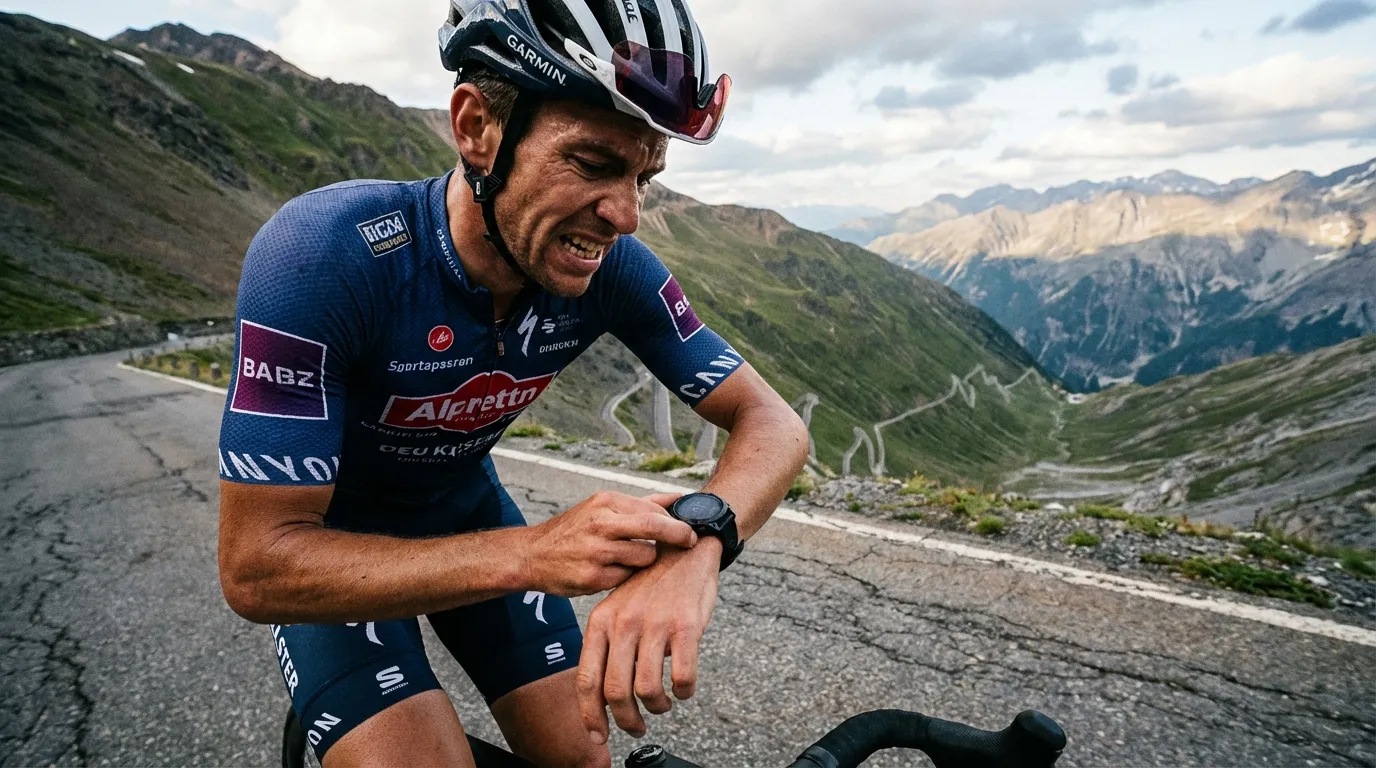
From a wish to a clear direction
“I want to get better” does not help much when the time comes to plan a week of training. A well-defined goal, on the other hand, gives you a direction, a frame and criteria to judge yourself against. That is why the SMART method is used so widely in sport. It keeps goals from staying vague and lets you build lasting progress.
A useful frame for the athlete and for the coach
In practice, this approach improves your chances of staying motivated, because you know what you are aiming at, how you are going to measure it and by when. It works for a runner, a triathlete, a swimmer, a cyclist, a trail runner, or a coach following several athletes at once. In every case it connects the final objective to the workouts you do day to day.
For a coach it is also an excellent communication tool. A clear goal makes planning more coherent, makes adjustments easier and reduces misunderstandings. Instead of stacking workouts on top of each other, you build a logical path towards a precise result.
The SMART method applied to sport
SMART stands for five simple criteria that qualify a goal. Taken together, they turn an abstract objective into a training objective you can actually work with.
Specific
A specific goal is clear, concrete and understandable without interpretation. It answers a simple question: what exactly do you want to achieve? “I want to get back in shape” is still too vague. “I want to run 5 kilometres without stopping” is already far more precise.
Measurable
A measurable goal rests on observable indicators: time, distance, number of workouts, perceived level of effort or weekly frequency. Without a measure, it is hard to know whether you are actually progressing. “Do more press-ups” becomes measurable if you write “go from 15 to 40 press-ups”.
Achievable
The goal has to take your current level into account. It should demand an effort while staying within reach. Too ambitious and it quickly breeds frustration; too easy and it does nothing for your progress.
Realistic
This criterion adds the practical dimension. Your goal has to be compatible with your life, your schedule, your history and your constraints. A motivated athlete may dream of training six times a week, but if their diary only allows three regular slots, that goal is not realistic.
Time-bound
A SMART goal always has a deadline. For example: “run 10 kilometres without stopping within 3 months”. Time gives your progress a rhythm and helps you adjust when you need to.
Concrete examples of SMART goals in several sports
From vague to concrete
| Vague goal | Reworded as a SMART goal |
|---|---|
| Lose weight | Lose 5 kilos in 3 months with 3 workouts a week and regular monitoring |
| Improve endurance | Run 5 kilometres without stopping in 8 weeks, building up with a walk/run progression |
| Get stronger | Reach 100 kilos on the deadlift by October with 3 sessions a week |
| Prepare for a trail race | Finish a 20-kilometre trail race in 4 months with no major drop in pace over the second half |
| Improve at swimming | Swim 1,500 metres non-stop within 10 weeks, with 2 to 3 sessions a week |
These examples show that a good goal is not just about the final result. It also carries the method, the deadline and sometimes the training frequency.

How to build your goal step by step
Define, then break down
Start from a genuine wish: a time, a target race or a return to training. Reword that wish with the five SMART criteria, then break your goal down into intermediate steps. An annual objective needs to be translated into monthly objectives and then weekly ones so that it guides your daily training. For example: if you are aiming at a half marathon in 5 months, first settle into three sessions a week, complete a 1 h 15 long run, improve your pace on a tempo session, then take on a 10 km test race.
Connect the goal to concrete actions
For coaches, this way of working links the vision for the season to the micro-objectives of each week. A tool like Slek for coaches makes the passage from overall goal to concrete action much easier.
Do and don’t
Do
Write your goal down in black and white, pick one main indicator of success, and plan a regular checkpoint so you can adjust if you need to.
Don’t
Do not set a goal just because it “sounds good”. Do not copy another athlete’s goal without accounting for your own level, and do not mistake ambition for haste.
The mistakes that most often sabotage a sports goal
The most common traps
Mistake 1: the vague goal, which leaves the athlete with nothing to steer by.
Mistake 2: the unrealistic goal, a source of frustration or injury.
Mistake 3: no follow-up, which strips even a good goal of its usefulness.
Mistake 4: ignoring the rest of your life, particularly recovery, sleep and work constraints.
Tracking your progress without drowning in numbers
Measure what matters
Measuring does not have to mean complicating. For most people a handful of indicators is enough: number of workouts completed, training duration, perceived effort and one or two performance figures. Coaches, for their part, need to connect goals, planned workouts, completed workouts and what the athlete reports back. Being organised then becomes a decisive advantage. To go further, read this article on the software that makes a sports coach’s job simpler.
FAQ
Should you only have one goal at a time?
No, but you do need one main goal. Secondary goals are fine as long as they do not contradict it.
Can you adjust a goal along the way?
Yes, and it is often necessary. Adjusting means taking account of what happens in training, of fatigue, or of progress that comes faster than expected.
Does the SMART method work for beginners?
Yes, particularly well. It helps them avoid the classic beginner’s mistakes: setting off too fast or aiming too high.
Is it useful for coaches?
Yes. It gives structure to planning, clarifies expectations and makes follow-up with the athlete easier.
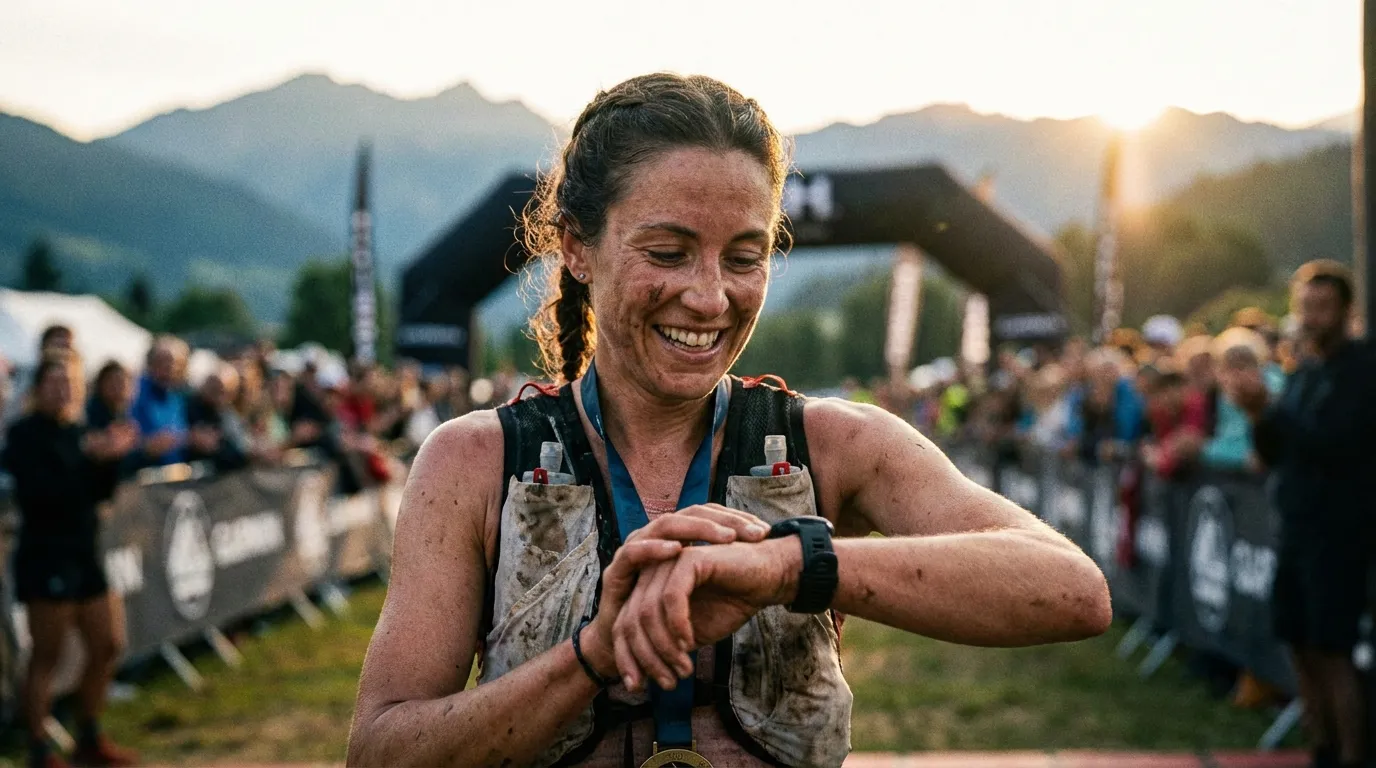
Connecting goal, planning and season
Giving the goal a real place in the season
A goal only has value if it shapes the planning. In sports with high loads and complicated calendars (triathlon, trail, cycling, swimming, biathlon), the athlete often juggles several disciplines and recovery constraints. A planning tool helps the coach keep a clear view without adding to their mental load. To dig deeper, read this article on periodization in sport.
SMART sports goals are not a magic formula, but they are an effective frame for moving from a vague wish to a measurable and realistic trajectory. Write your goal down, break it into steps, then build your progress on solid organisation, with Slek for instance.
More articles you might like
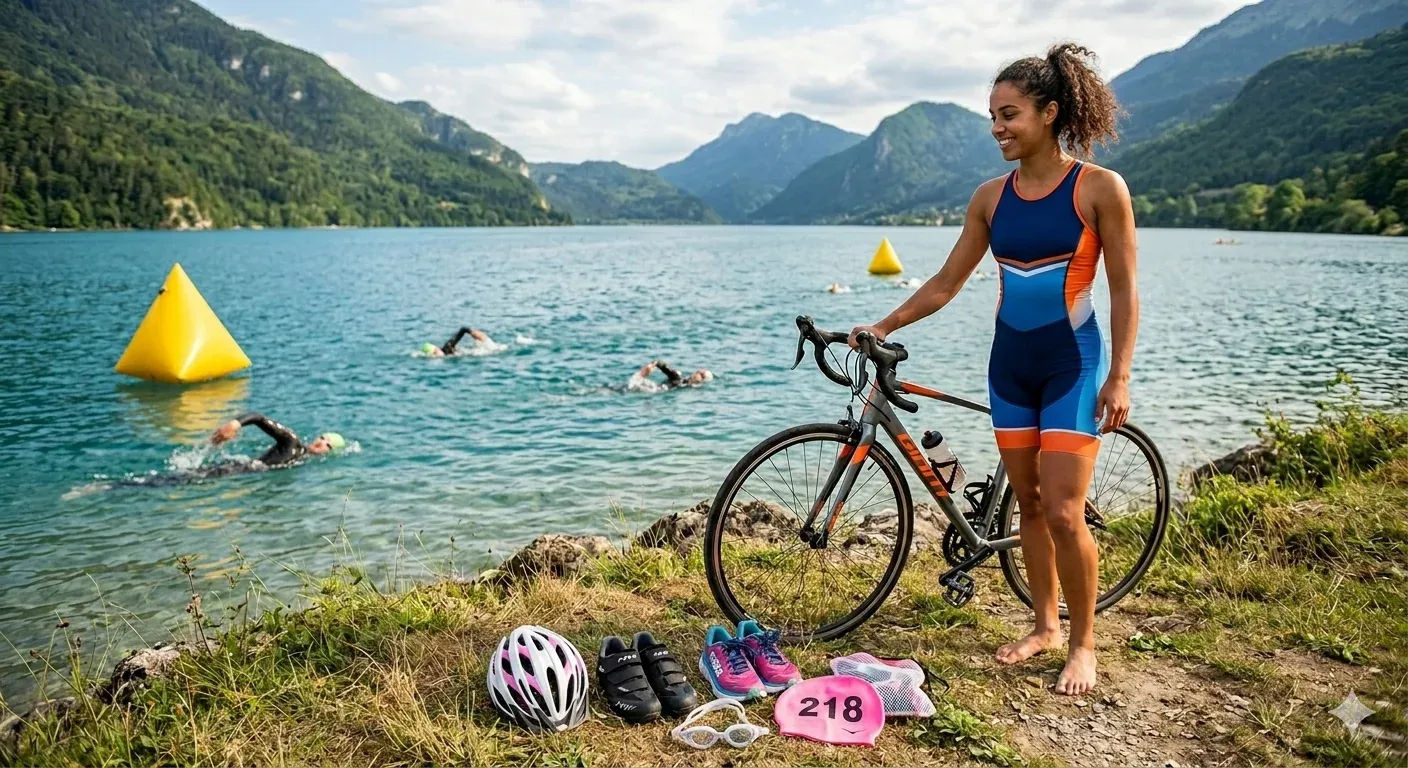
A step-by-step guide to preparing your first triathlon
Distance, kit, an 8-week training plan, transitions: follow this step-by-step guide to prepare your first triathlon calmly and avoid the beginner's mistakes.

Sport and work: fitting endurance training into your diary
Struggling to combine sport and a demanding job? Follow this guide to fit endurance training into a packed schedule, with simple steps.

Planning your return to training after a break: the 4-step guide
Planning your return after a break is rarely as simple as it looks. After a holiday, an injury, a dip in motivation or a forced pause, we usually want to get back quickly and find our feel again. That is exactly when the mistakes pile up: restarting for good needs a clear, gradual, realistic frame. […]