Training
How joint mobility improves your stride
Find out how 10 minutes of joint mobility a day can improve your stride, and the essential exercises for running better and limiting injuries.
38 articles
Find out how 10 minutes of joint mobility a day can improve your stride, and the essential exercises for running better and limiting injuries.
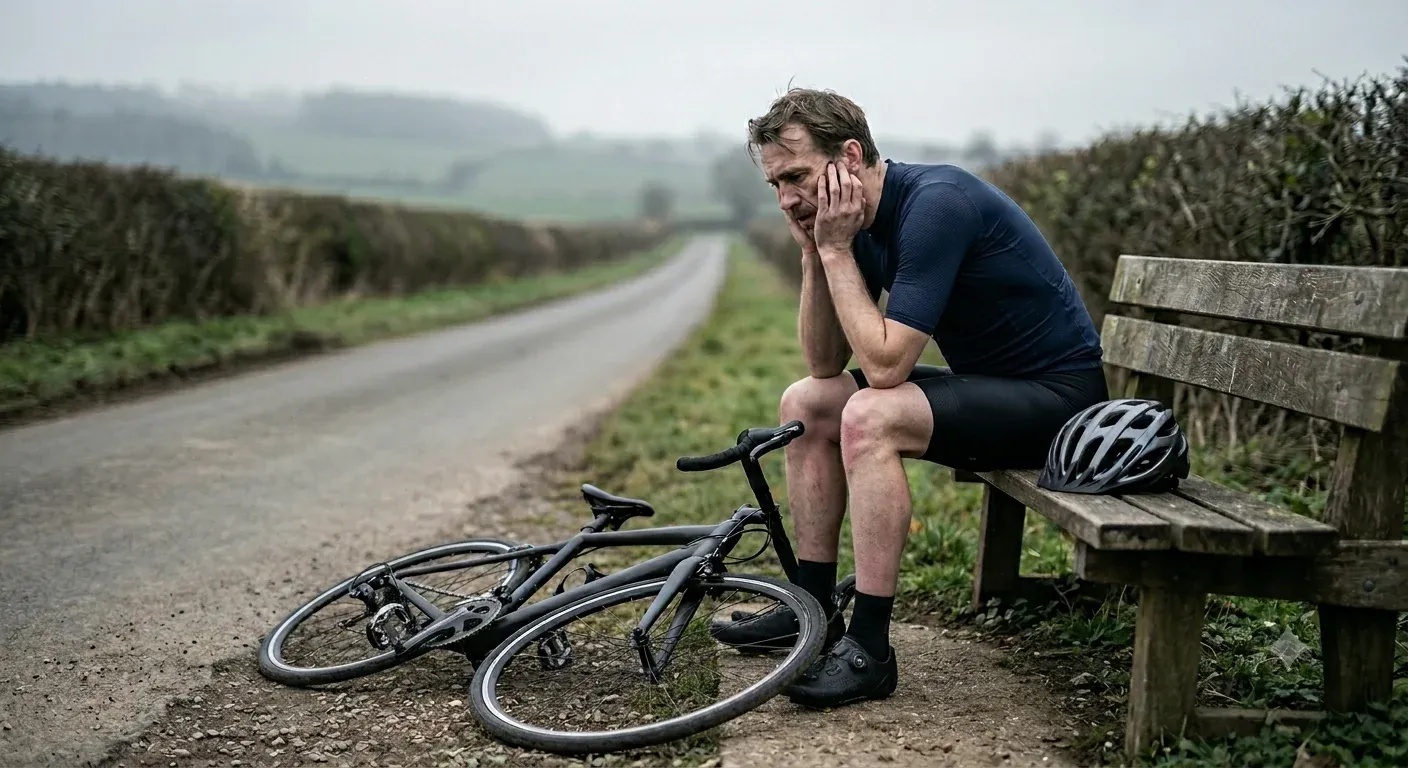
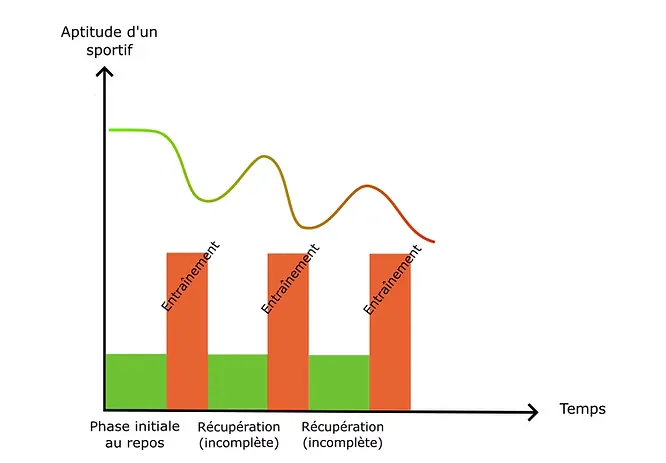
Performance dropping, or fatigue that will not lift? Learn to spot the 10 signs of overtraining and recover before the damage sets in.
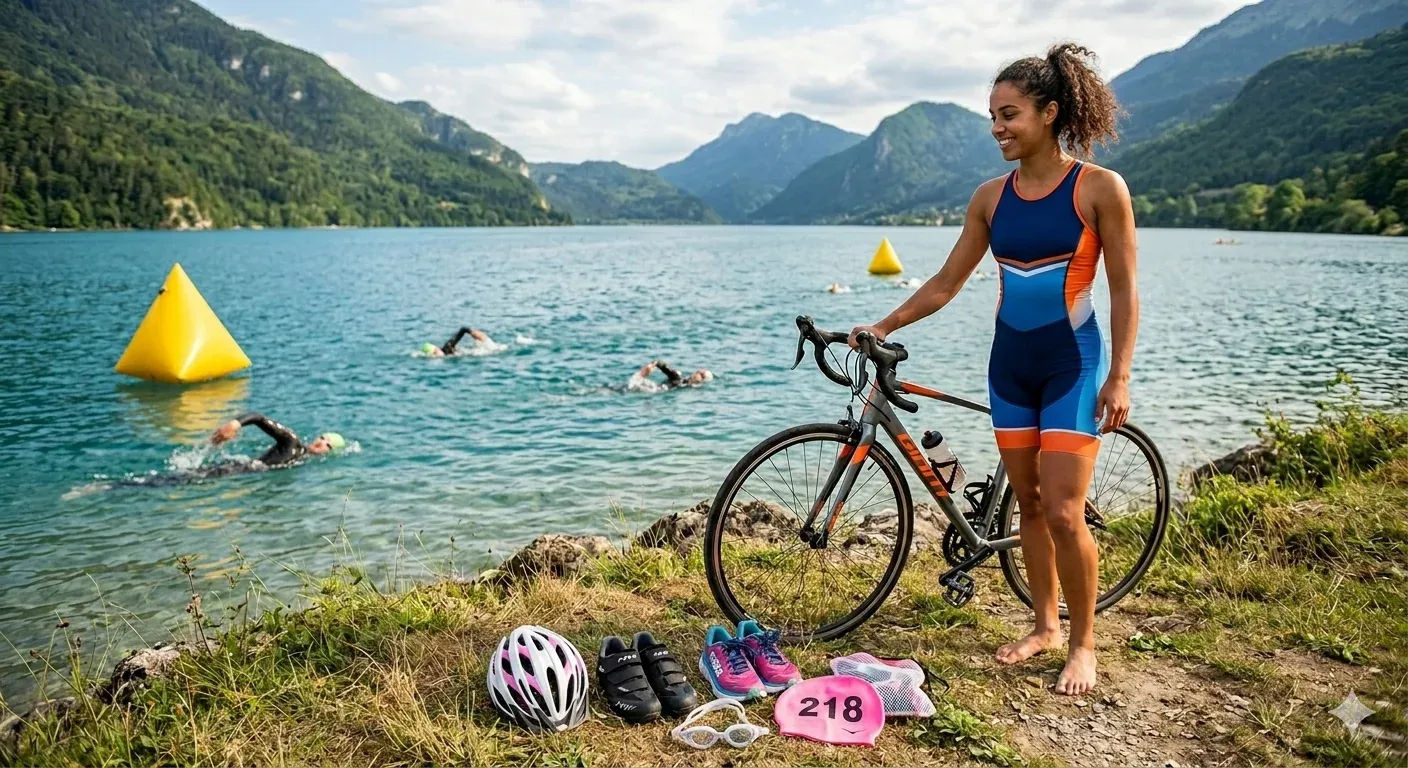
Distance, kit, an 8-week training plan, transitions: follow this step-by-step guide to prepare your first triathlon calmly and avoid the beginner's mistakes.
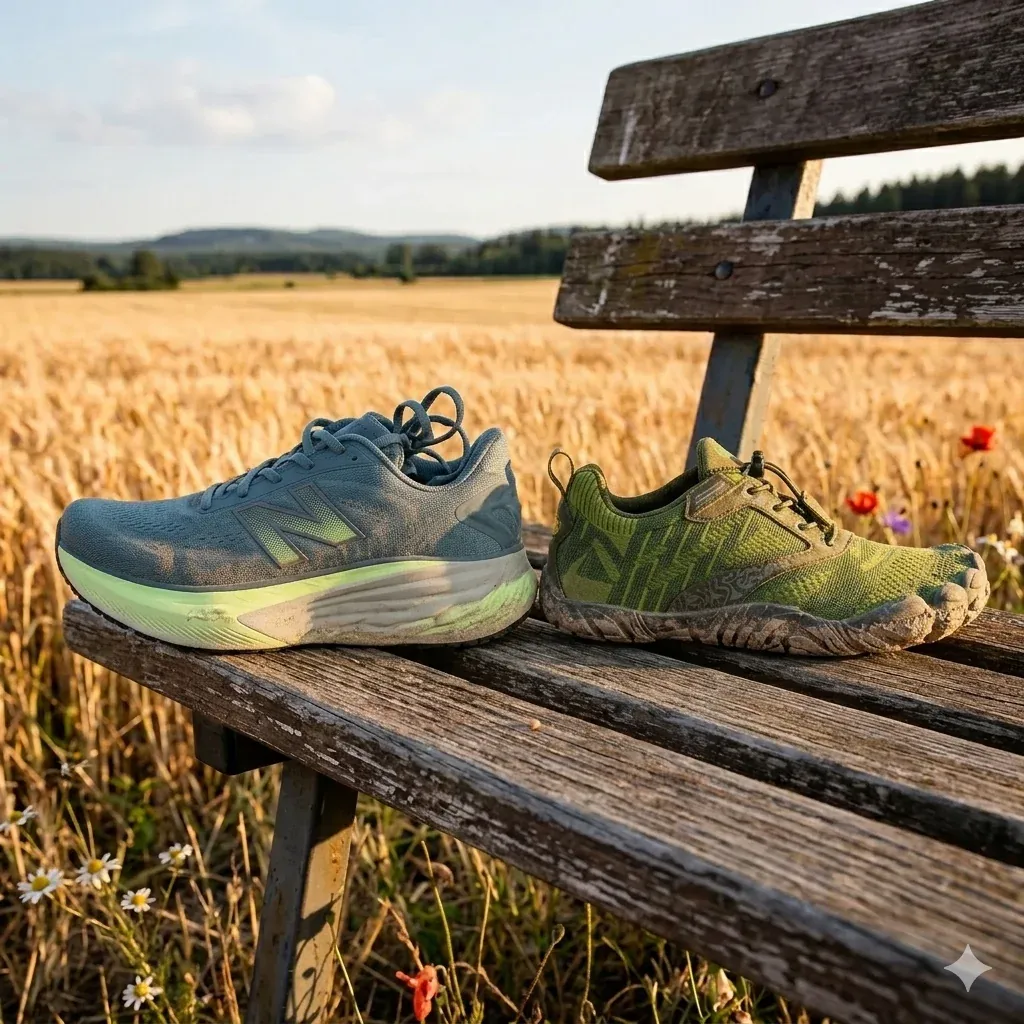
Minimalist or maximalist: compare the two running shoe philosophies, their benefits and their risks, and find the right choice for your profile so you can improve without getting injured.
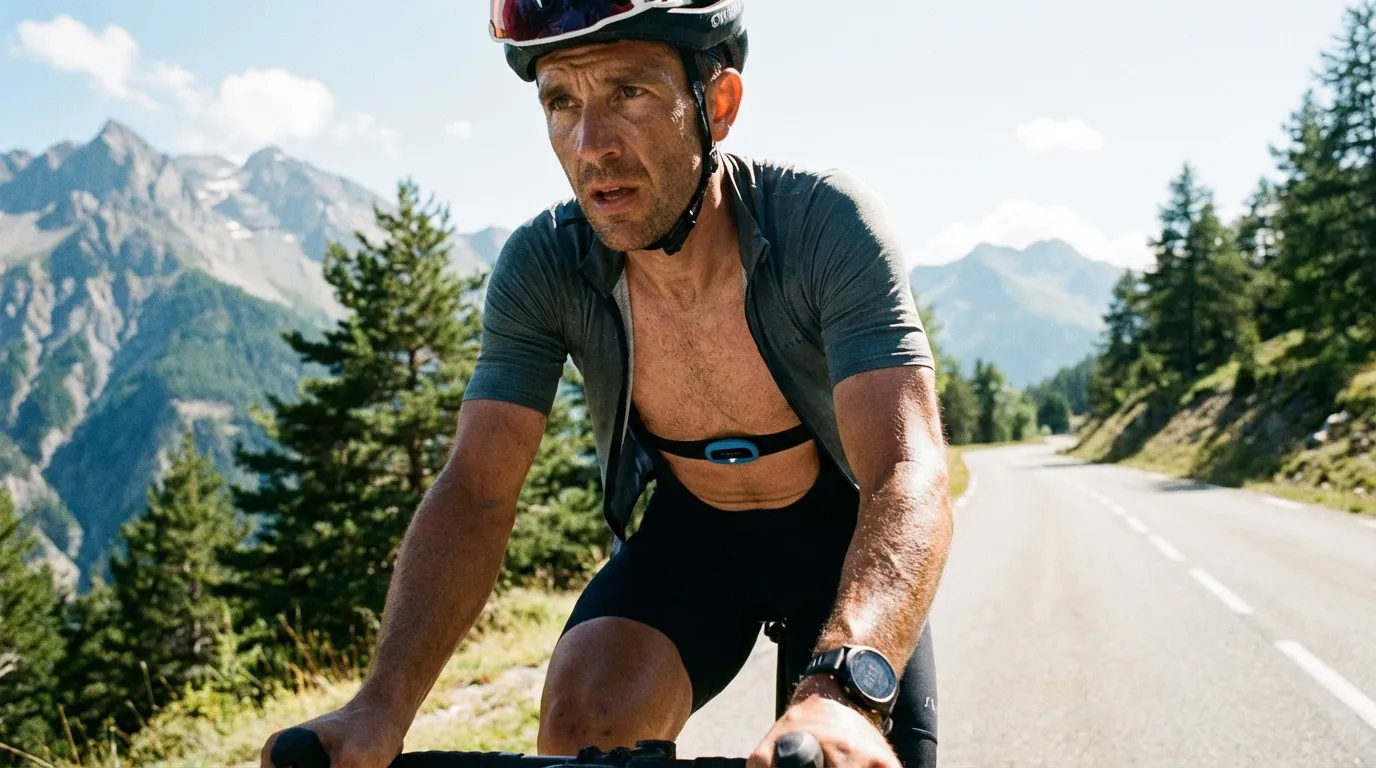
Find out how to fit hill training into your routine. Follow this step-by-step guide to build power and avoid the classic mistakes.
Struggling to combine sport and a demanding job? Follow this guide to fit endurance training into a packed schedule, with simple steps.
Understand how active recovery helps your body regenerate after an effort. This complete guide sets out the most reliable methods.
Tapering reduces fatigue before a race without losing what your preparation built. Volume, intensity, frequency, a two-week plan: the guide to arriving fresh on race day.
How do you handle your long run without wearing yourself out? The Slek coaches share 7 practical secrets. Avoid the mistakes and find the right pace.
Find out how to increase your running cadence step by step. Follow our practical advice to run faster and stay clear of injury.
Locate your anaerobic threshold (VT2) without a laboratory test, then push it back in 3 steps: the workouts, the reference points and load tracking in Slek.
Planning your return after a break is rarely as simple as it looks. After a holiday, an injury, a dip in motivation or a forced pause, we usually want to get back quickly and find our feel again. That is exactly when the mistakes pile up: restarting for good needs a clear, gradual, realistic frame. […]
In an earlier article (SMART sports goals: the step-by-step guide) we looked at how to build clear, coherent training goals with the SMART method. Knowing where you are going and laying the foundations is an essential first step. But in the reality of day-to-day training, framing a goal is not always enough […]
Planning your triathlon season is not just about filling a calendar with workouts and race numbers. It is about organising your progress so you arrive in shape at the right moment, without exhausting yourself or spreading yourself thin. Think the season through in advance and you gain clarity, your training makes more sense and you reduce […]
Comparing linear and undulating periodization is not about finding a theoretical model. It is about finding a method that moves an athlete forward without wearing them out, without losing sight of the season, and without complicating the planning for nothing. For a coach, that is the real subject. The right answer depends on the athlete's level […]
Keeping a training log is no longer just the reflex of a methodical athlete. In 2026 it has become a real lever for progress, as useful to the self-coached athlete as to the coach who wants to steer load, recovery and consistency more finely. When you write down what you do, how you feel and what changes over time […]
Data-driven coaching fascinates people as much as it worries them. For many it conjures up an avalanche of numbers, complicated sensors and a practice reserved for elite athletes. The reality is more nuanced, and above all more accessible. For an amateur, coaching steered by data can become a real lever for progress, provided […]
Motivation on its own is not enough to keep improving. In sport, plenty of people set themselves vague intentions and then lose heart for want of anything concrete to hold on to. That is exactly where SMART sports goals make a difference. The method turns a general wish into a clear, measurable and realistic plan of action. Self-coached athlete or […]
Balancing work, family and endurance sport can feel like an impossible puzzle. Between busy working days, family life, fatigue and the unexpected, plenty of athletes feel they are always sacrificing something. Yet that balance is no myth if you set a realistic, flexible and sustainable frame. With better organisation […]
The benefits of interval training explain why the method has become unavoidable in most endurance sports. In running, trail, triathlon, cycling, swimming and cross-country skiing, alternating hard efforts with short recoveries stimulates adaptations that continuous endurance alone is not enough to […]
Heart rate variability (HRV) has become an increasingly useful reference for understanding what the body is genuinely able to take day to day. It is not about following one more number on a watch or an app: it is above all a way of reading your recovery […]
Reverse periodization for trail running is drawing more and more interest from coaches and runners who want to structure their preparation better. Unlike the classic model, it starts by developing intensity before gradually increasing volume. On paper the idea is attractive, particularly in trail and ultra-trail where winter often makes long outings difficult. But […]
The annual break is one of those subjects that divides people almost as much as it reassures them. Some see it as essential to lasting; others live it as a step backwards or a loss of level. Yet among endurance athletes the signals broadly point the same way: a planned pause often helps you recover better, […]
Marathon race pace is one of the most useful reference points for preparing a 42.195 km without setting off too fast or falling apart at the end. Understood properly, it becomes a concrete thread running through your workouts, your target and how you manage the effort on the day. Yet plenty of runners still confuse it […]
Training monotony is an underrated subject, even though it bears directly on progress, fatigue and injury risk. When workouts look too much like one another from day to day, the body stops receiving a signal nuanced enough to keep adapting effectively. In the short term that can look like consistency; in the medium term it usually […]
If you take an interest in training, you have certainly wondered what RPE is and why everyone talks about it. This simple rating of perceived exertion has become a central tool in strength and conditioning, in the gym and in endurance sport. It lets you steer intensity day by day, with no sensor, purely from how the effort felt. […]
Just before an event, stress is not necessarily the enemy: in the right dose it helps you mobilise, concentrate and act. The problem starts when it spills over and disturbs your breathing, your thoughts, your clarity or your sensations. Managing pre-race stress therefore means working on the mental side with as much […]
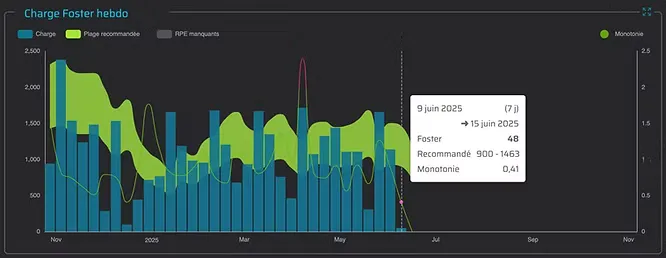
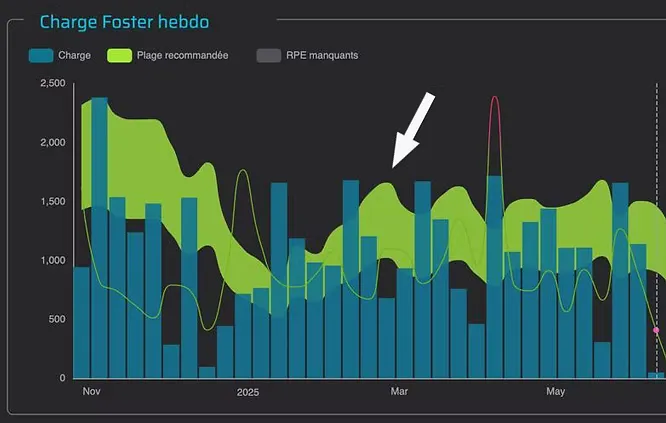
Measuring your athletes' training load should not require a laboratory or expensive equipment. The Foster method offers a simple approach built on what the athlete actually feels at the end of a workout. By combining the duration of the workout and RPE (the rating of perceived exertion), you can track […]
Here is how Slek can help you prepare for your next trail races.
This article explains what periodization is, why you cannot do without it, how it works, and how to bring it into your own training with Slek.
If you want to reach your goals, every workout counts. But when you are ill, and it might be a simple cold, flu or something more serious, the question comes up: should you carry on training anyway?
Training load analysis in Slek, explained from top to bottom.
In Slek, the recommended load zone is based on the ACWR, an effective way of balancing training load and recovery.
Communicating well with your athletes is essential if you want them to perform better without getting injured. Connected watches and performance analysis software have made a coach's work much richer. Those physiological numbers, valuable as they are, still need subjective data alongside them before you can offer the […]
Triathlon is about as complete a sport as you can find, and about as demanding. Between swimming, cycling and running you have to juggle the training and manage the recovery. That is where a planning and analysis app earns its place, as a real asset in your preparation and your training records. Slek is the app you […]
Your Slek app tracks your training monotony index. Here is why that number matters.
How to spot overtraining and stay clear of it. Slek can help!
Amateur or elite, knowing how to dose the intensity of your training is essential if you want to improve without getting injured. Quantifying training load is the tool for that. Among the most widely used methods, TRIMP (Training Impulse) and the Foster model let you […]